Occupants notice problems before managers do. A receptionist hears scratching in the soffit during quiet mornings. A warehouse crew finds droppings near a loading dock. A tenant emails at midnight about a raccoon on the dumpster lid. These early signals matter because nuisance wildlife rarely stays static. Left alone, a few bats become a colony, an occasional rat run turns into a nightly highway, and a single roof leak created by squirrels escalates into damaged insulation and mold. Effective nuisance wildlife management for commercial properties is less about heroics and more about disciplined prevention, timely diagnostics, and surgical intervention.
I have walked hundreds of roofs at dawn with a flashlight and a coil of hardware cloth in hand, and the pattern repeats: wildlife follows opportunity. The right strategy closes those opportunities without trading one problem for another, keeps people safe, and documents each action so insurers and health inspectors stay satisfied.
The stakes for businesses
For commercial properties, nuisance wildlife is a risk multiplier. The obvious cost is damage to structures, wiring, and inventory. The quieter cost lies in compliance and brand reputation. Rodents in a food facility can trigger regulatory notices and forced shutdowns. Guano in a retail attic might not be visible to customers, yet its odor and spore risk can threaten employee health. A skunk that wanders into an apartment courtyard can shut down the pool area for a week. Each event ripples through operations, tenant satisfaction, and insurance deductibles.
Managers often think in terms of pest control contracts, yet wildlife demands a different toolkit. Traps and baits have their place, but exclusion and habitat modification carry more long-term weight. A pest control technician who excels at roaches and stored-product insects is not automatically a wildlife trapper. The best outcomes come from integrating wildlife pest control into the broader facility plan, with clear roles and policies.
How wildlife problems start
Wild animals are not trying to bother you. They are solving their own needs. Three forces usually bring them to commercial sites.
First, structure and design: modern buildings have complex rooflines, parapets, and mechanical penetrations that create gaps. A rat needs a hole the size of a quarter; a bat needs a slit as thin as a pencil. Expansion joints, cable chases, warped soffit, and deteriorated flashing form inviting entry points. Thermal imaging on a winter night will reveal warm air leaking from these points, exactly what a cold raccoon wants.
Second, food and water: dumpsters without tight-fitting lids, ornamental fruit trees in courtyards, irrigation overspray that pools near foundations, bird feeders on balcony railings. An urban site I managed had recurring roof rat activity until we modified landscape fruiting patterns and installed better dumpster hinges. Trapping alone never changed the curve until the food source changed.
Third, predictable human behavior: doors propped open during deliveries, night-shift smoke breaks near loading bays, contractors leaving service hatches unsealed. Wildlife learns routine. If the roll-up door stays open from 3 to 4 a.m., expect visitors by the end of the week.
When pest control is not enough
Standard pest control contracts emphasize insects and rodents. Wildlife control introduces additional legal, ethical, and practical layers. Many species enjoy federal or state protections. Bats, for instance, cannot be excluded during maternity season in many regions, and some birds require permits for nest removal. Relocation rules vary: in several states it is illegal to relocate raccoons offsite, which means the wildlife removal services provider might be limited to on-property release or euthanasia under strict standards.
A commercial manager needs three things before the first trap is set: a clear policy that distinguishes rodent management from pest wildlife removal, a current list of seasonal restrictions for the jurisdiction, and a vetted wildlife removal services vendor who carries the correct licenses and insurance. The vendor should be able to document humane practices, communicate lead times for protected species, and provide photographs or video of work.
Risk assessment you can act on
Assessments should start outdoors, work up to the roof, then move inside. The mistake I often see is jumping to indoor signs, like droppings or noises, without mapping exterior pressure first. Pressure mapping, even informal, reveals where animals stage before entering. An example from a shopping center: staff heard noises above a cafe ceiling. The culprit turned out to be squirrels using a neighboring elm to access the parapet at two precise points. The entry gap measured under two inches, hidden behind signage. We discovered this pattern by watching at dawn and noting travel routes.
Inside, evidence hierarchy matters. Large droppings near a wall can mislead without scale references, so compare to known benchmarks like a quarter. Urine staining on ceiling tiles under HVAC runs can mimic a roof leak; check the staining pattern and ammonia smell. Gnaw marks on conduit or low-voltage wire bundles raise immediate safety concerns and should trigger an electrical inspection. Bird https://canvas.instructure.com/eportfolios/4183680/home/humane-wildlife-trapping-tools-techniques-and-safety-precautions feathers and small bones in a mechanical room signal active predation and a possible access route via louvers.
Moisture meters, thermal cameras, and UV flashlights pay for themselves on larger campuses. Moisture attracts insects, insects attract rodents, and the cycle becomes self-sustaining. A UV pass across baseboards will often reveal urine trails and help you slice the problem by room.
Species profiles that matter for commercial sites
Rats and mice remain the most frequent offenders, but commercial properties draw a wider cast: raccoons, squirrels, skunks, opossums, bats, and urban-adapted birds like pigeons, starlings, and grackles. Each species changes the response plan.
Rats: Norway rats trend ground-based, while roof rats are accomplished climbers. In warm climates, roof rats in hedges and palm skirts are common. For warehouse districts, utility lines provide aerial highways. A rat program should combine swift population knockdown with structural exclusion. I prefer snap traps in protected boxes inside, and for exterior perimeters, secured stations with the correct rodenticide only when compliance policies and nontarget risks are managed. The moment you see chew-through at a gasketed dock door, schedule a door sweep upgrade rather than adding more bait.
Raccoons: They exploit low-slope roofs and loosely secured access panels. They pry, not gnaw. They can lift light-gauge flashing and roll back shingles like a can lid. I have seen raccoons open a lightweight plastic skylight frame by leveraging body weight. Their scat carries pathogens; remediation requires PPE and careful disposal. Never seal an opening without confirming no juveniles remain inside, particularly from late spring to mid-summer.
Squirrels: Fox squirrels and gray squirrels use trees and electrical conduit as freeways. They chew to shape an opening, especially around drip edges and gable vents. If you hear morning and late afternoon activity, suspect squirrel traffic. Exclusion should pair with trimming vegetation and reinforcing vulnerable points with metal flashing or welded wire. One warehouse reduced repeat incursions by replacing plastic ridge vent screens with 16-gauge galvanized mesh.
Bats: They need surprisingly small gaps and prefer stable roost zones that stay warm. Bat guano accumulates under entry points and leaves a characteristic brown stain known as rub marks. Legal windows for bat exclusion differ by state, and the timing is non-negotiable. One corporate office delayed work into the allowed fall window, installed one-way devices, and followed with sealant and backer rod along a 120-foot parapet seam. The difference was night and day: no re-entry because the seal detail respected thermal expansion and did not crack over winter.
Birds: Pigeons and starlings gravitate to sheltered sign alcoves, open-beam garages, and rooftop mechanicals. Spikes and gels alone rarely solve persistent nesting. Netting, angled ledges, and proofing of voids outperform deterrents in the long term. For grocery stores, new signage installs should include pre-planned bird exclusion features to avoid retrofits that cost double.
Skunks and opossums: Mostly ground-based, they use culverts, slab gaps, under-deck spaces, and storm drain transitions. Skunks bring a reputational hit if they spray around public areas. Exclusion involves trenching and installing buried L-shaped barriers, plus clean-outs for trash areas.
Exclusion as the backbone
Wildlife exclusion services anchor any serious program. Think of exclusion as upgrading the building’s armor. Cheap caulk and spray foam may look productive in the moment, but on an exterior seam exposed to UV and temperature swings, these materials fail. Better: backer rod, high-quality sealant rated for exterior movement, flashing that bridges over gaps, and mesh sized to species. For rodents, 1/4-inch hardware cloth is a standard; for bats, smaller gaps and flexible sealants matter more. Any vent retrofit should maintain required airflow while adding a chew-resistant screen with a removable service panel.
Roof edges demand disciplined craftsmanship. Fasteners should be corrosion resistant, and all cut edges of galvanized mesh should be hemmed or backed to prevent injury and reduce snag points. Penetrations for cable bundles deserve particular attention. A common oversight is sealing the exterior boot while ignoring the interior chase from ceiling to roof. Rats climb within the chase like a ladder.
Dock doors and man doors need attention to thresholds, sweeps, and corner seals. If forklift traffic destroys sweeps every month, switch to more durable brush or hybrid sweeps, and consider a slight grade change or a steel angle protector that preserves the seal. On storefronts with metal roll-down gates, side tracks often leave channels large enough for rodents; custom brush seals address that.
Landscape contributes to exclusion. Maintain a vegetation clearance around the building envelope, typically 18 to 24 inches, to reduce cover and discourage staging. Tree limbs should not overhang roofs if you are battling squirrels or raccoons. Consider plant choices that do not fruit heavily or drop dense seed, which attracts rodents.
Legal and ethical guardrails
The practical side of wildlife control must respect legal frameworks. Many states require a permit to handle certain species, restrict relocation, and define euthanasia methods. Commercial managers should keep copies of vendor licenses and any specific permits filed for the property. Bats, migratory birds, and some raptors introduce federal-level considerations. A wildlife trapper who shrugs at regulation is a liability. Ask how they avoid nontarget capture, what materials they use to segregate occupied spaces, and what happens if they catch a protected species.
Humane approaches are not just ethics, they are risk management. Improper trapping can injure animals and provoke public backlash, especially in visible urban locations. If your property has a brand reputation at stake, plan for discrete operations: after-hours work, temporary screens around rooftop trap placements, and coordination with security to avoid social media moments.
Health, sanitation, and remediation
Wildlife carries pathogens, and droppings become airborne during cleanup. For larger accumulations, treat cleanup as a mini restoration project. Use negative air where feasible, HEPA filtration, and appropriate disinfectants. Porous materials saturated with urine may require removal, not just surface cleaning. An office ceiling tile might cost a few dollars; the labor to remove, disinfect above, and reinstall clean tiles is the real line item, but it keeps employees safe and inspectors satisfied.
Food facilities and healthcare buildings face stricter rules and should integrate wildlife pest control with existing sanitation SOPs. Log every incident with dates, species, and corrective actions. Keep photo documentation of exclusion work, including fastener spacing and mesh specs. These records reduce friction during audits and help insurers understand that you treat wildlife as a managed hazard, not an afterthought.
Trapping, one-way devices, and when to use each
Trapping has a place, yet the goal should be efficient, targeted removal and then immediate exclusion. For raccoons and squirrels, cage traps baited with species-appropriate lures work well when placed along known routes. Check laws for trap check intervals; many states require daily checks.
One-way devices excel for bats and for squirrels when juveniles are not present. The device allows exit but blocks re-entry. Timing is key. If you install a one-way too early in the season, you risk trapping young inside. If you wait too late, animals may re-establish alternate entries. Good practice includes a soft seal stage where you close most gaps while leaving known exits fitted with devices, then a hard seal after monitoring shows no returns.
For rats and mice, trapping inside combined with exterior exclusion beats indefinite baiting programs in most settings. Long-term rodenticide programs around restaurants can stabilize populations but risk secondary exposure to raptors and other nontargets. Some jurisdictions now limit certain anticoagulants. If you must bait, choose stations that are anchored, tamper-resistant, bar-coded for inventory, and serviced by technicians trained in wildlife control, not just general pest control.
Integrating wildlife into facility management
Wildlife management belongs in the same binder as fire safety and storm preparation. Assign a point person who coordinates inspections, vendor work orders, and incident logs. Roof walks should be routine, not a reaction to leaks or noises. Loading docks deserve a standing checklist: seals, trash handling, door behavior, and lighting. Landscaping contracts should specify wildlife-conscious practices, like trimming schedules that support exclusion projects.
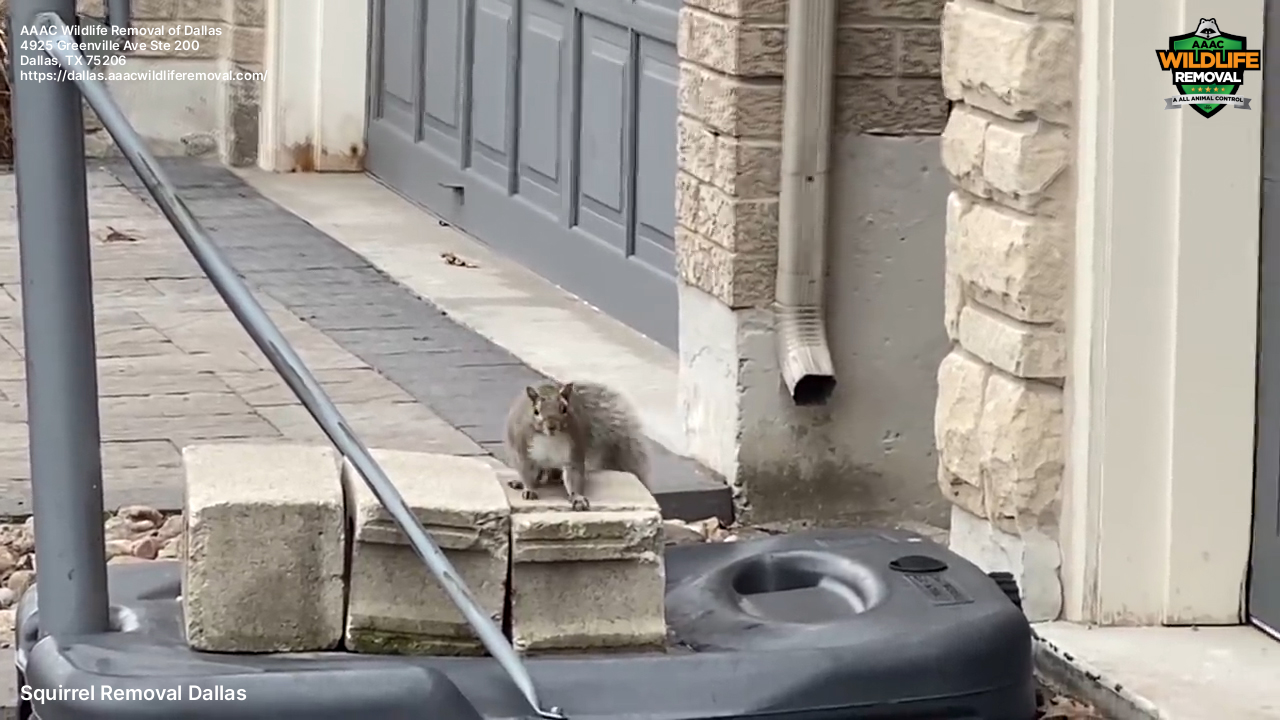
Train frontline staff to report early signs: scratching, droppings, nesting materials, unusual odors, or animals lingering near entry points. Encourage photos. A single image of a squirrel at a conduit can speed diagnosis. Set expectations for contractors. If cable techs drill new penetrations, they must seal them to a standard you define, not with a cap of foam that crumbles in a season.
Budgeting and ROI
Wildlife work battles the perception of being a sunk cost. In reality, excluding a recurring entry point is one of the better returns you can find on an older building. The math looks like this: a raccoon torn entry might cost under a couple thousand dollars to harden properly, while the annual damage and remediation can exceed that after just one event. For rats, sealing a dozen gap points and tightening trash handling can reduce interior sightings to near zero in a quarter, which stabilizes pest control spend and lowers risk of health citations.
Procurement often favors the lowest bid. That approach breaks down with wildlife. A vendor who underbids by skipping metal flashing or using thin mesh will create repeat work that looks like bad luck but is actually material failure. Write specifications that call out gauge, mesh size, type of sealant, and warranty terms. Photographic proof of materials installed should be part of the deliverable.
Communication with tenants and staff
People accept disruption when they understand the plan and timeline. If you are deploying one-way bat devices, tell occupants you are operating on a mandated seasonal window and that late-night noises may briefly increase as animals exit. Set realistic expectations for odors after skunk events and the steps you are taking to ventilate. In retail settings, schedule visible work for off-hours and stage equipment so it does not block customer paths or create trip hazards. A quick email or portal post reduces rumor and keeps maintenance from fielding the same question all day.
When you need specialist support
Some scenarios call for a wildlife control specialist rather than general maintenance or a standard pest contractor. Examples include persistent bat colonies, raptor nesting on signage, repeat raccoon entry despite prior repairs, or heavy guano remediation. Specialists bring lift access, safety protocols for high-angle work, and familiarity with permits. They also tend to own the right tools: thermal cameras for roost detection, borescopes for wall cavities, and access gear for awkward parapet edges.
Ask potential partners about their wildlife exclusion services approach. Do they inspect roof-to-soil, or only the obvious holes? Can they fabricate custom screens on site? What is their typical lead time for emergency response, and how do they handle weekends or holidays? For multi-building campuses, a master plan will save money, phasing work from the highest-pressure buildings outward.
A practical roadmap for managers
The best programs share a few habits that are straightforward to implement:
- Schedule quarterly exterior and roof inspections, plus targeted interior checks after heavy weather or construction. Build a photo-documented exclusion library, with dates, materials, and locations, so future staff understand what was done. Align trash handling and landscaping with wildlife goals: tight lids, no propped doors, trimmed vegetation away from structures. Set vendor standards for materials, permits, and humane practices, and include them in contracts. Educate frontline staff to report early signs and keep doors and hatches closed.
Case notes from the field
A distribution center struggled with roof rats for years despite monthly baiting. We mapped the exterior pressure and found three consistent factors: fruiting shrubs along the south wall, propped doors during night receiving, and cable penetrations with brittle foam seals. We phased changes over six weeks. Landscape swapped shrubs for non-fruiting varieties and increased clearance from the wall. Operations added an air curtain and a door alarm that buzzed after ninety seconds open. Maintenance replaced foam with backer rod, sealant, and metal collars around cable bundles. Interior trapping caught down to zero sightings by week seven. After six months, monitoring logs stayed clean with minimal exterior bait usage. The lesson: bait was a bandage, exclusion and behavior change were the cure.
At a mid-rise office, bat staining appeared under a decorative cornice. The window for legal exclusion sat six weeks out. We prepared. That meant ordering custom one-way tubes, color-matched sealant, and a lift booked for the exact days needed. We pre-sealed eighty percent of micro gaps while leaving known exit paths. On day one of the legal window, we installed one-way devices and posted notifications to tenants about increased dusk activity. After a monitoring period with motion cameras, we completed the hard seal. No return the following season, and the building manager kept a detailed log that satisfied the insurer after a prior claim.
A restaurant group faced recurring pigeons on illuminated sign letters. Spikes installed years ago failed. We recommended netting behind the letter assembly, angled ledge modifications, and an electrical inspection that found a warm ballast drawing birds. After retrofitting LEDs and installing netting with stainless anchors, nesting stopped. Labor was higher upfront than re-spiking, but service visits dropped by over seventy percent.
Measuring success
Success is not the absence of a single incident; it is the trend over time. Track time between sightings, call volume by building, and unplanned maintenance hours tied to wildlife. Watch for secondary indicators like improved IAQ complaints after guano remediation or fewer dock door repairs once seals are protected. Share quarterly summaries with stakeholders so they see the link between investments and calmer operations.
If a problem resurfaces, assume something changed. New tenant behaviors, construction next door, or seasonal pressures can shift patterns. Reassess routes, entries, and attractants. The more you treat wildlife control as a living system rather than a fixed project, the more resilient your property becomes.
Bringing it together
Commercial properties invite wildlife because they offer shelter, food, and stable routines. The way to tip the balance back is not by waging war, but by removing opportunity and documenting the work. Blend preventative design, timely pest control, and specialized wildlife removal services when the situation demands it. Rely on exclusion as your backbone, train your staff to flag early signs, and insist on materials and methods that survive weather and time.
When done well, nuisance wildlife management feels quiet. Doors close, seals hold, and dumpsters stay latched. Tenants stop sending late-night emails. You spend less on callbacks and more on projects that add value. And the animals, deprived of easy wins, move on to places that suit them better than your buildings do.